Header image for my Rebel Active application
AJR Ceramics
Role:
End-to-End Designer
Timeline:
June 25' Current
Software:
Figma, Photoshop, Webflow
View Prototype
Problem
Despite growing interest on social media, the ceramics brand lacked a dedicated online presence to showcase both the artist and the work in a cohesive, professional way. Without a website, there was no central space to highlight past projects, tell the story behind the practice, or streamline commission inquiries. This made it difficult to convert casual followers into serious clients or collectors.
Audience
design-conscious individuals, art collectors, and interior enthusiasts who discover the brand through social media or word of mouth. Many are interested in bespoke, handmade pieces and are drawn to the story and craftsmanship behind the work.
Solution
I’m currently in the process of designing and developing a custom website that reflects both the artist’s personality and the quality of the work. Starting with a clean, minimalist layout in Figma, the focus is on creating a space that feels personal yet professional. The final build will be developed in Webflow, with features including a curated gallery, an artist bio, and a streamlined commission inquiry form. The goal is to create a seamless, engaging experience that helps turn interest into meaningful opportunities.
Project Constraints
Designing for a Client
This project was designed in collaboration with Alex from AJR Ceramics who I was consulting throughout the design and development phases
Design & Development
I had to gain new skills and workflows from this as I tasked myself with both designing the website in Figma and also developing it in Webflow
Designing from Scratch
Had no preexisting data or assets to work with. So had to work with the client from scratch to create something amazing

Research

Getting to know AJR Ceramics

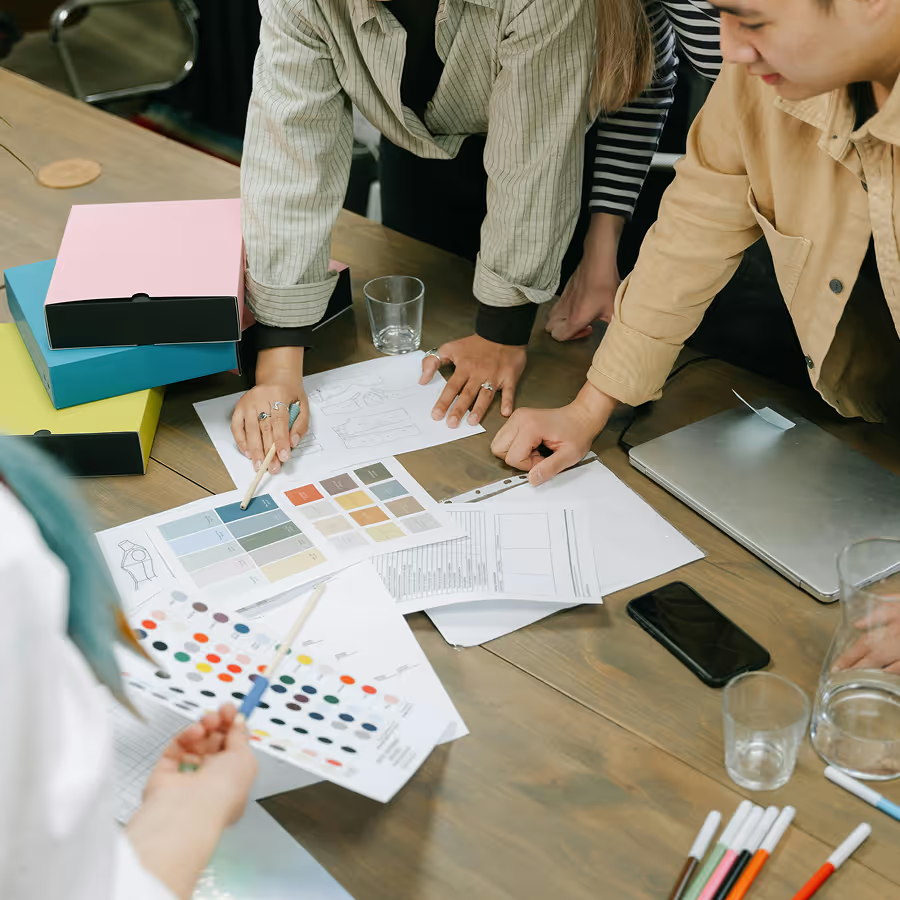
In the first few weeks of the project, I had several meetings with Alex to really understand what makes AJR Ceramics tick. These early conversations gave me a clearer picture of what he wanted from the site and helped me reframe the brief into a defined user and business problem. From there, I was excited to dive in and start shaping a solution that aligned with both his goals and his audience.

Moodboards

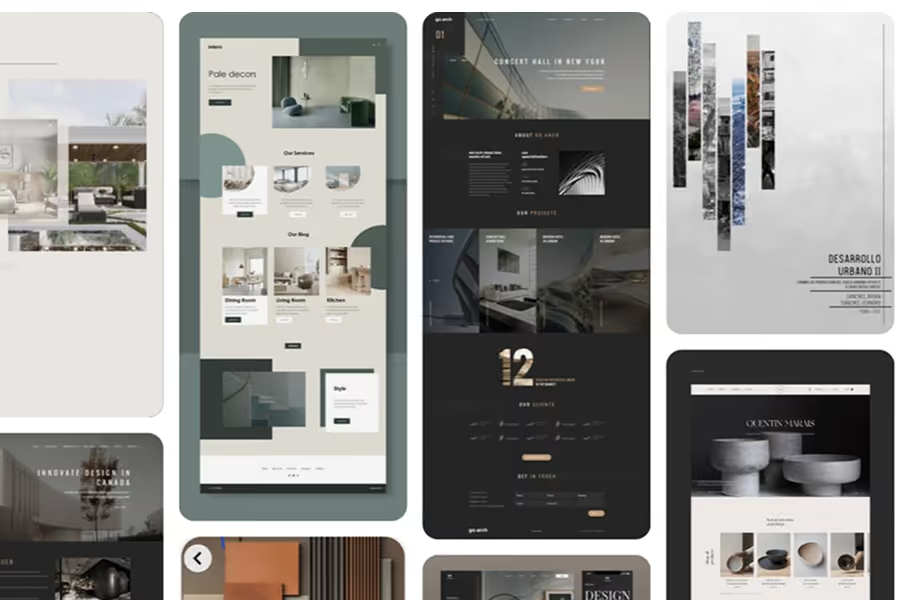
After my initial discovery meetings, I asked Alex to create two moodboards to help define the visual direction for the project. These moodboards were key in shaping a distinct color palette and style that aligned with both his artistic identity and the tone we wanted to set for the website.

SWOT Analysis

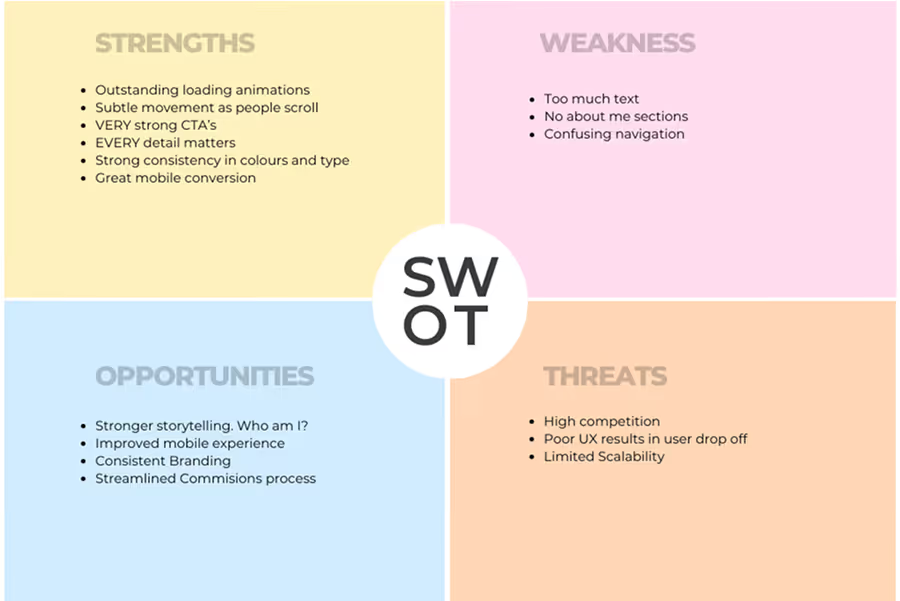
To better understand the space AJR Ceramics sits within, I conducted a SWOT analysis of similar websites, focusing on makers, independent ceramicists, and small shops that specialise in handmade goods. This helped me identify common strengths, such as strong product photography and storytelling, as well as weaknesses like confusing navigation or lack of personality. These insights gave me a clearer sense of what to lean into and what to avoid when shaping the site’s structure and tone.

User Surveys

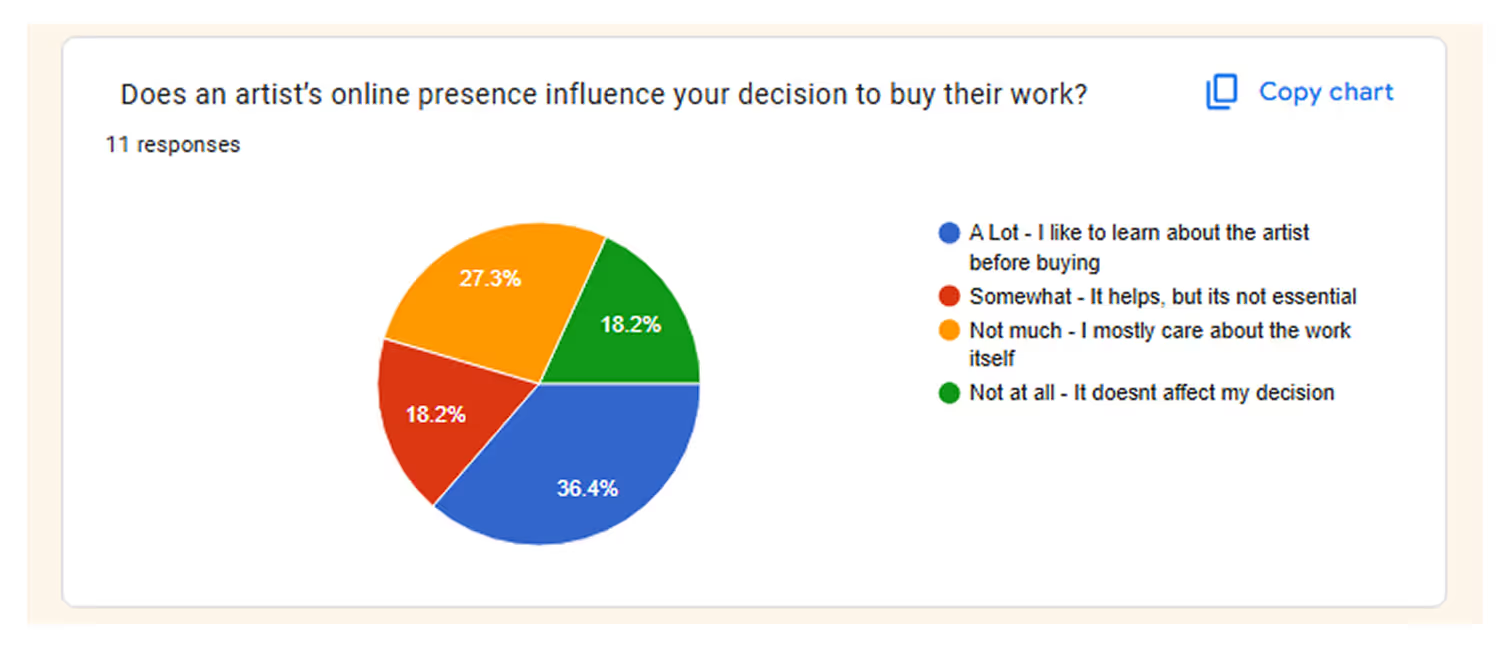
At this stage, both Alex and I were still figuring out who the website and even his Instagram content was really for. To help us define the audience more clearly, I created and distributed an art-focused user survey. The goal was to better understand what would resonate with potential visitors and what kind of content would feel relevant to them. The responses helped us shape not just the tone of the site, but also how tailored the content needed to be.

Ideate

Wireframing

To start shaping the overall direction of the site and communicate my early ideas to the client, I created an initial wireframe. This helped get the ball rolling, giving us a shared foundation to build on and opening up discussions around layout, structure, and key content areas.

Design System

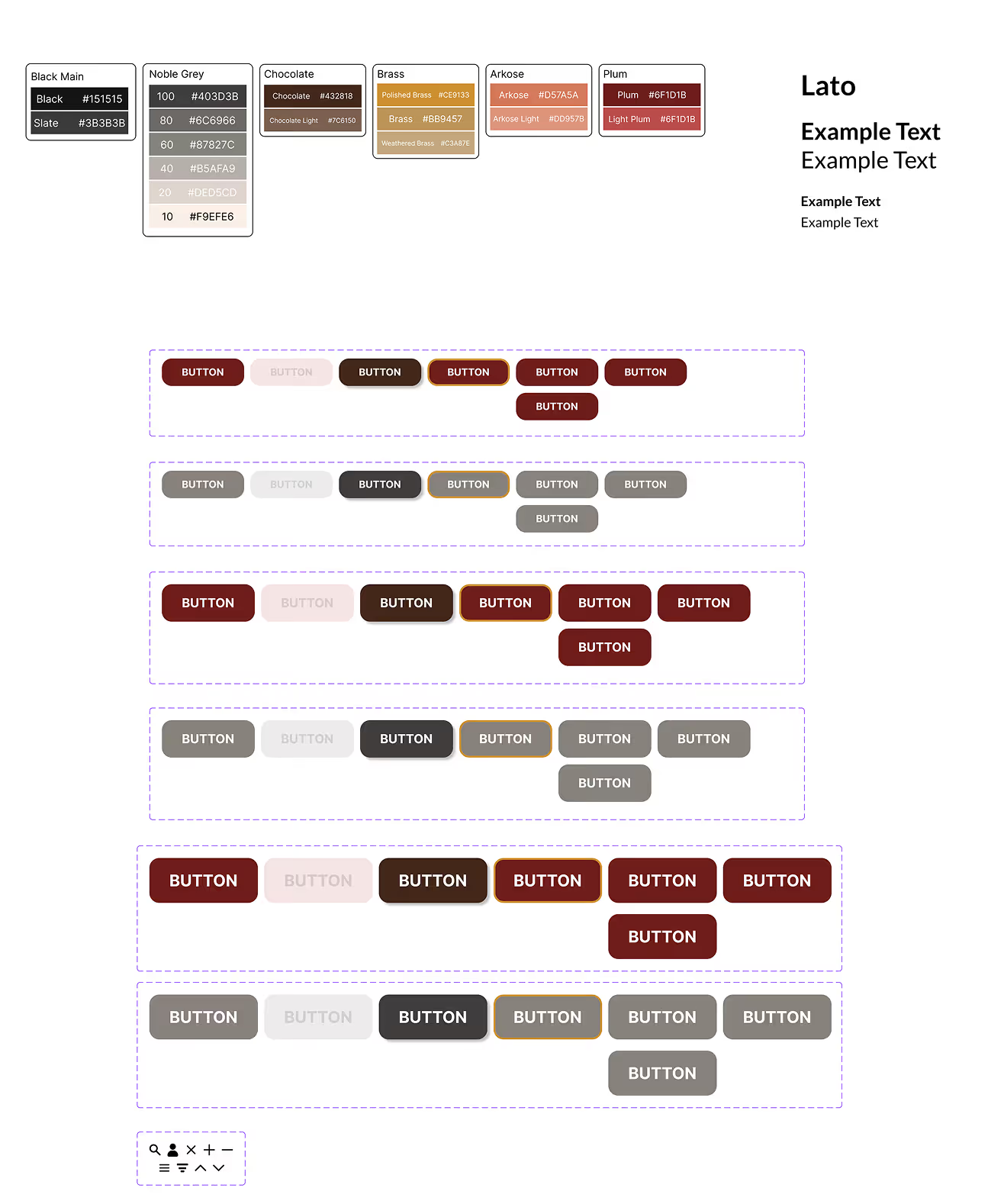
Before jumping into a polished prototype, I worked closely with Alex to create a basic design system that would guide the look and feel of the site. We chose a clean, simple typeface and an earthy color palette that reflected both Alex’s personality and the natural tones of his ceramics. From there, I applied these styles to build out key components, including icons, buttons, and other interface elements, to ensure everything felt consistent and connected.

Prototyping

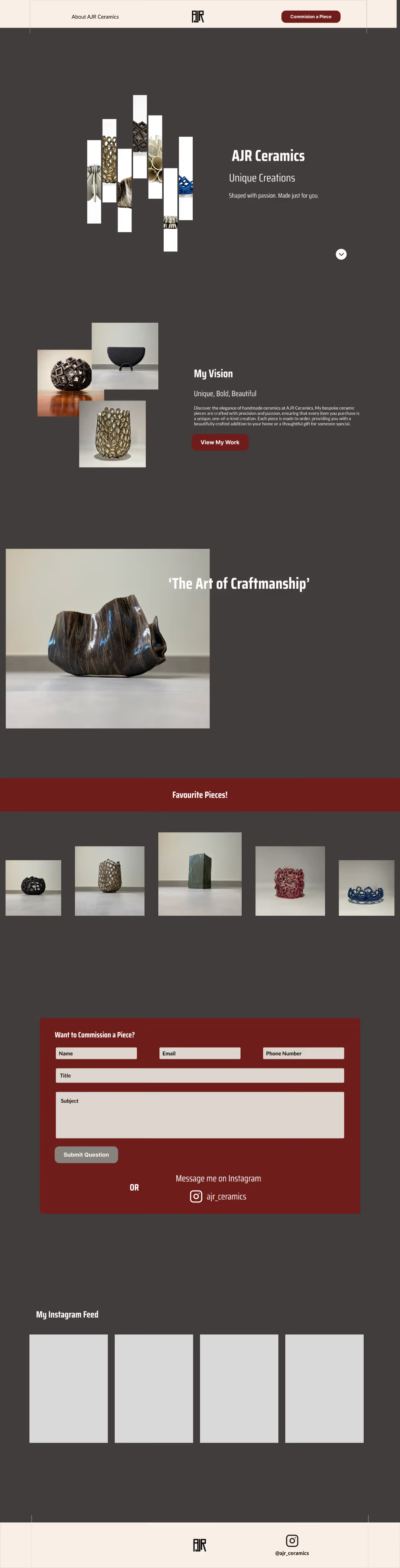
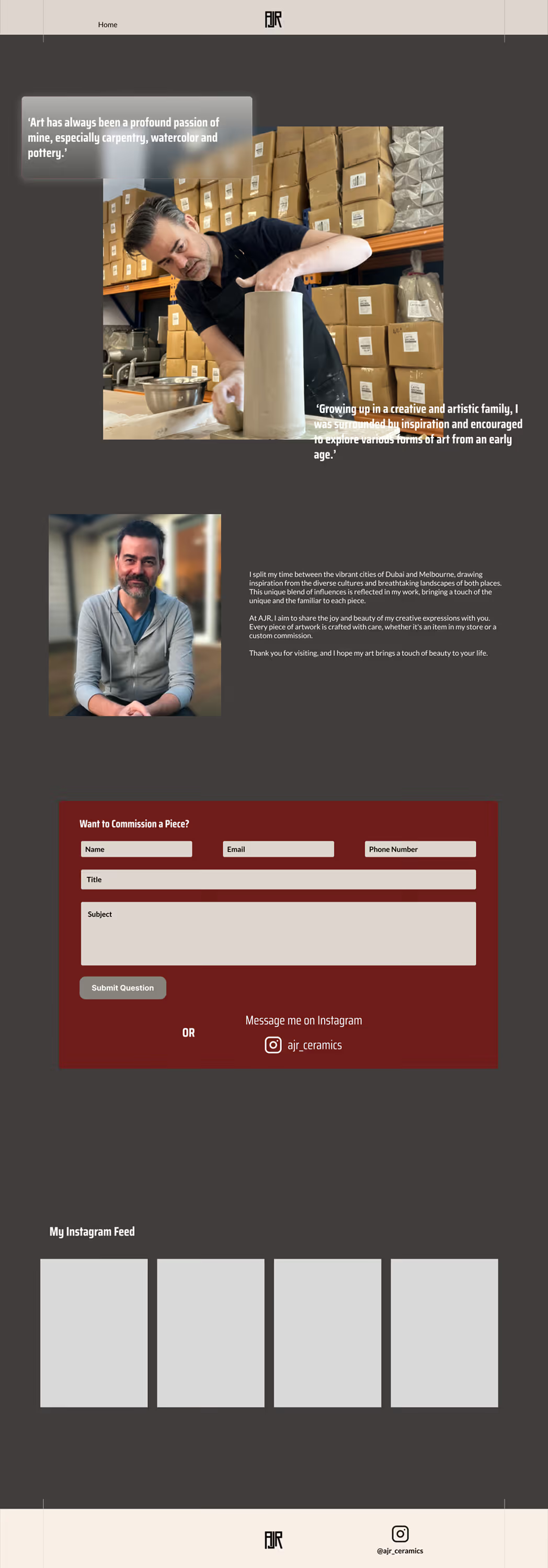
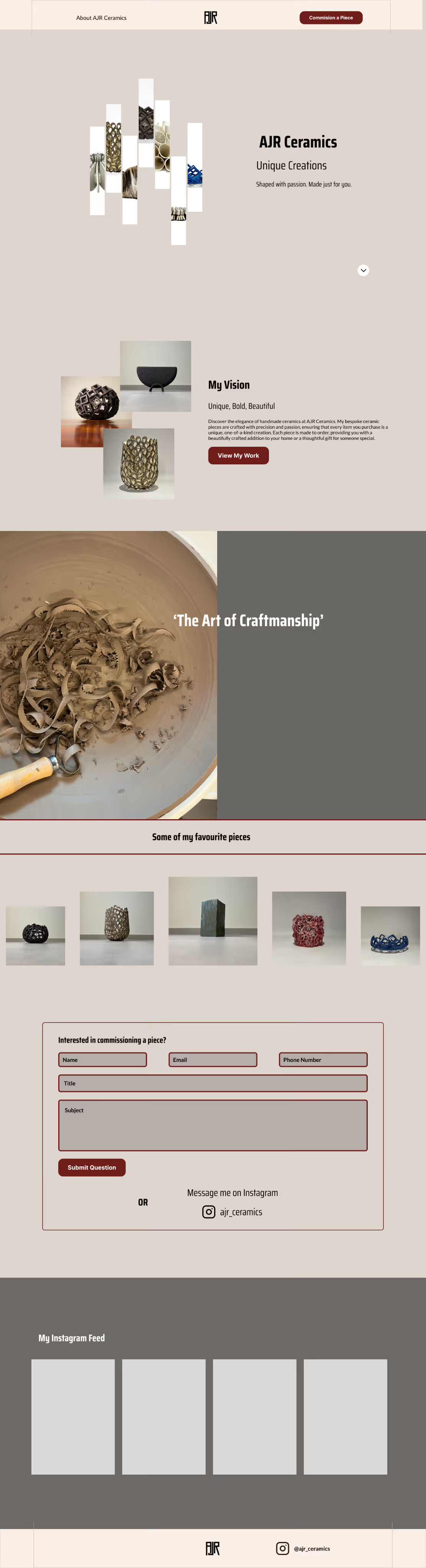
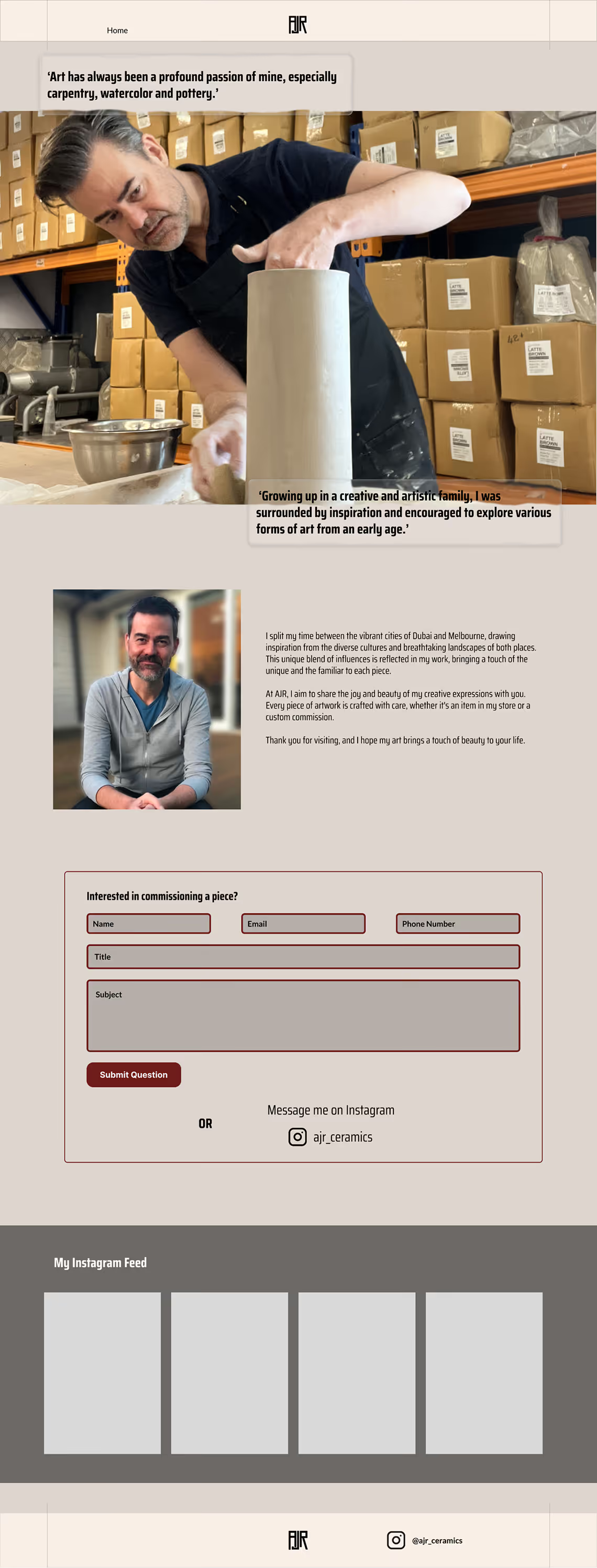
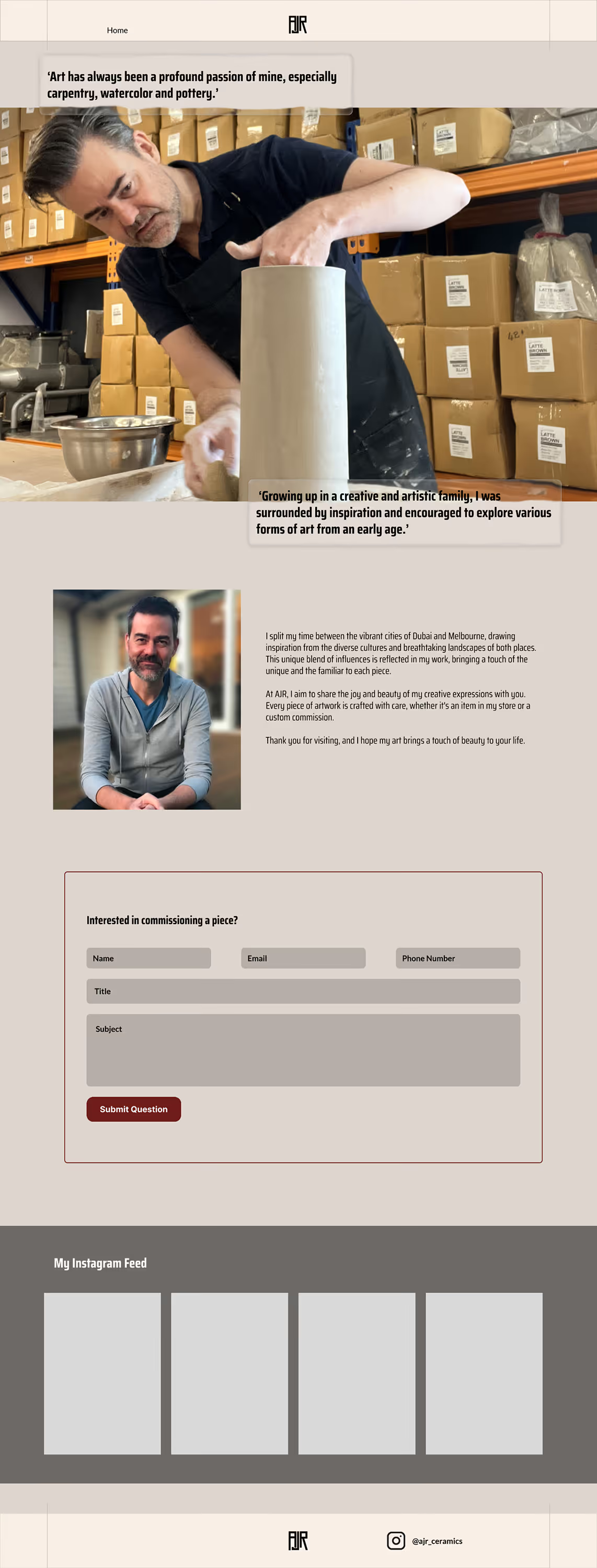
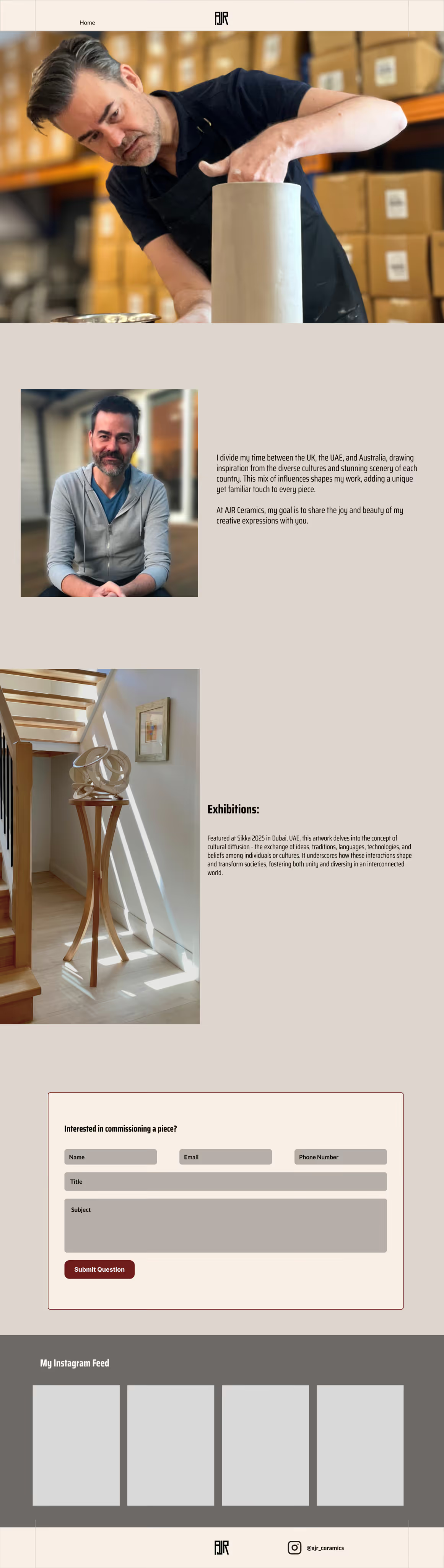
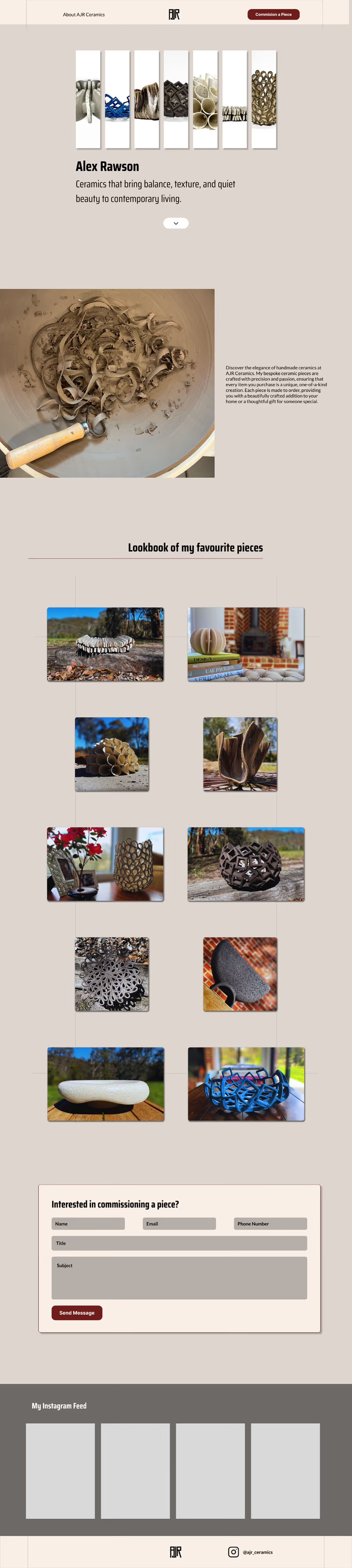
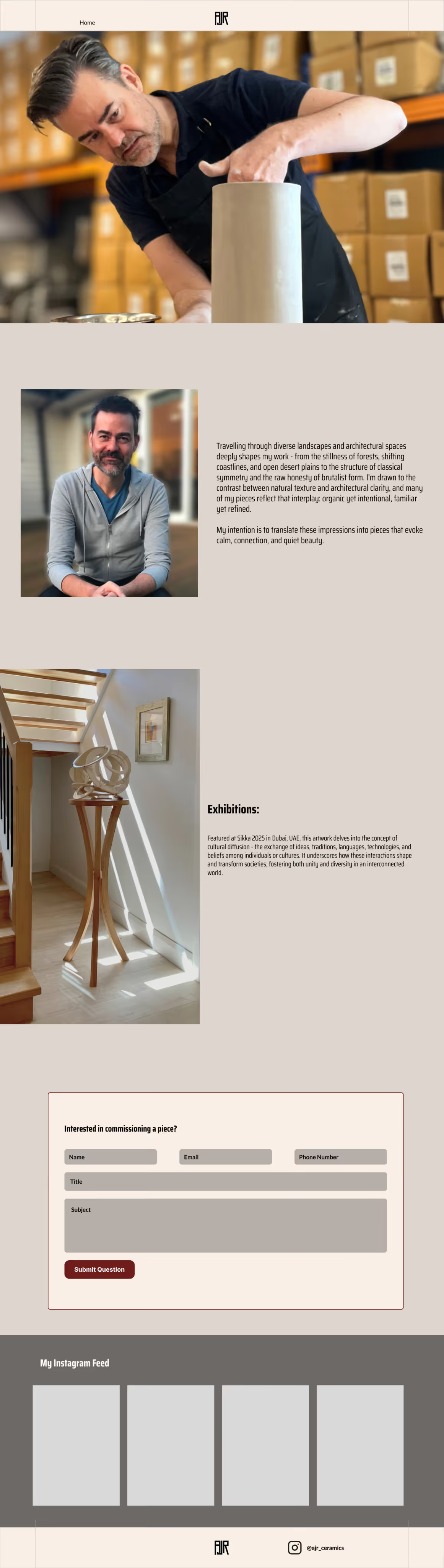
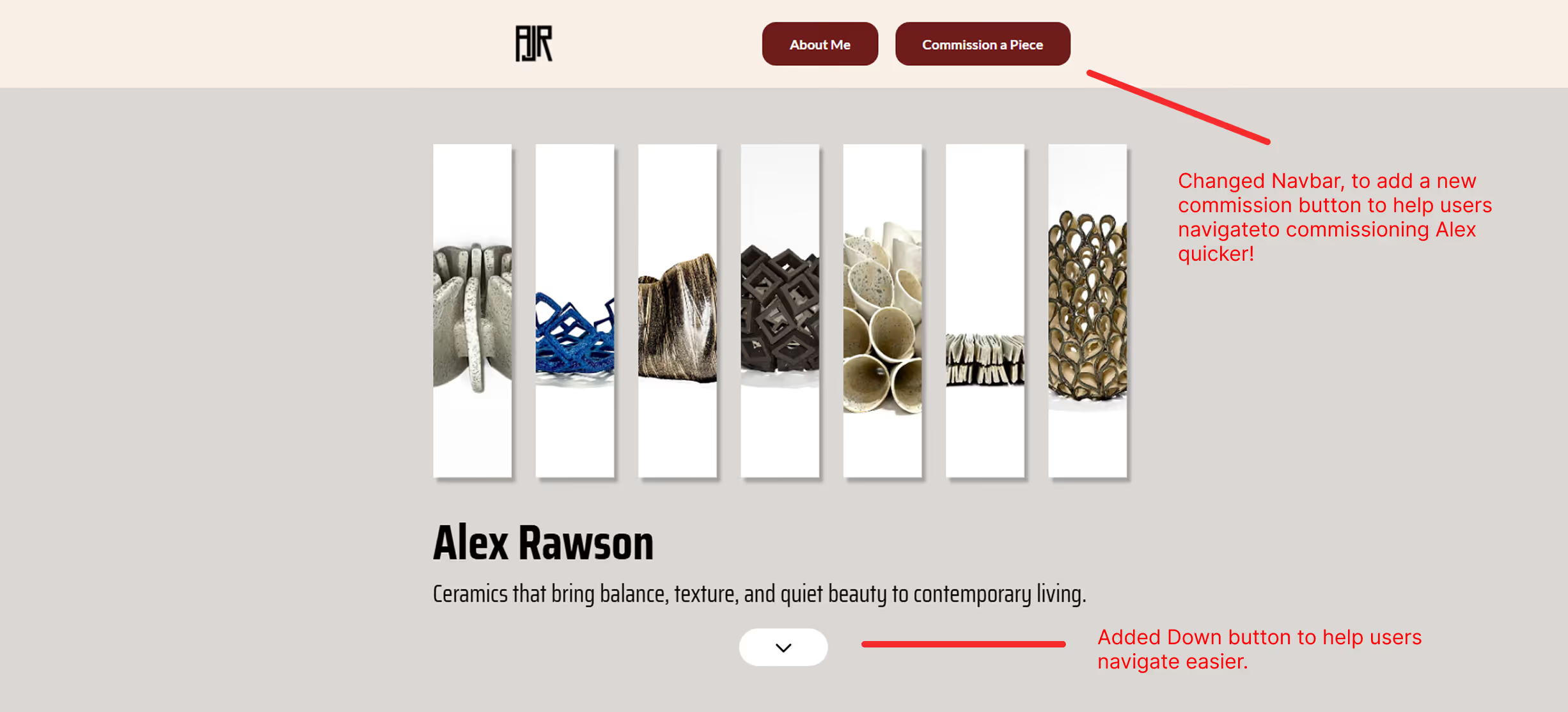
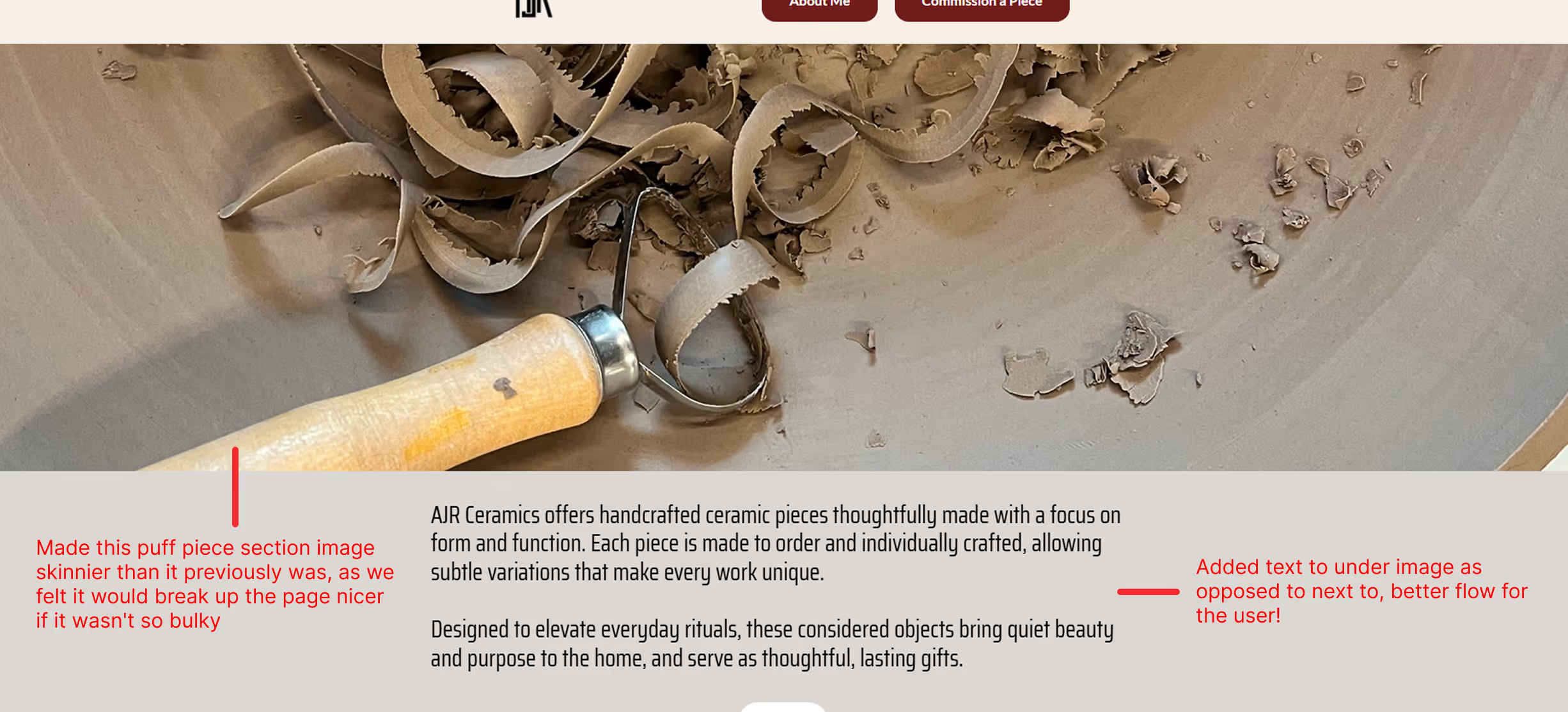
Once I finalized the design system and wireframes, I moved on to creating functional prototypes.
I developed four distinct versions of the project, each iteration refining and improving on the last.
This iterative process was guided by constant feedback from my client, Alex, ensuring
the final prototype aligned perfectly with his vision. Below here is a live button to my Figma file aswell!
View AJR Ceramics

Prototype V1

Prototype V2

Prototype V3

Prototype V4 (Final)